

South Australians have seen huge spikes in their power bills, but not because of renewables or wind turbines, writesDavid McIlveen.
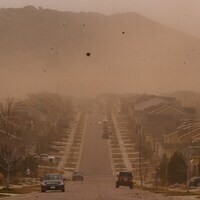
SOUTH AUSTRALIA suffered through an extraordinary heatwave in January, and on top of the heat stress, energy demand in the evenings and electricity costs for South Australians rocketed upwards, along with the temperature.
Never missing an opportunity to stoke renewables alarmism and spread disinformation, the Murdoch media was quick to jump on South Australia.
Some "energy commentator"on Sky News sneered:
Its a familiar claim in the discredited, compromised commercial press: contrary to all evidence and even intuition, renewables are secretly very expensive. Ideologically-minded groups and individuals will never miss an opportunity to blame renewables for power bills, but sneering and tilting at windmills only gets one so far. You wont get the whole picture, nor an especially accurate one, if you listen to the commercial press.
Power to the people: Rewiring Australias energy futureAustralias energy future wont be built by corporations alone, itll be co-created by communities, technology and trust.
The situation in South Australia does, however, prompt the very reasonable question: with all that abundant low-cost renewable energy in the state, and increasingly across other states, how do electricity prices get so high?
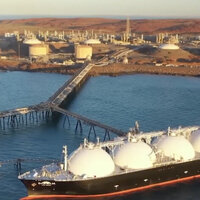
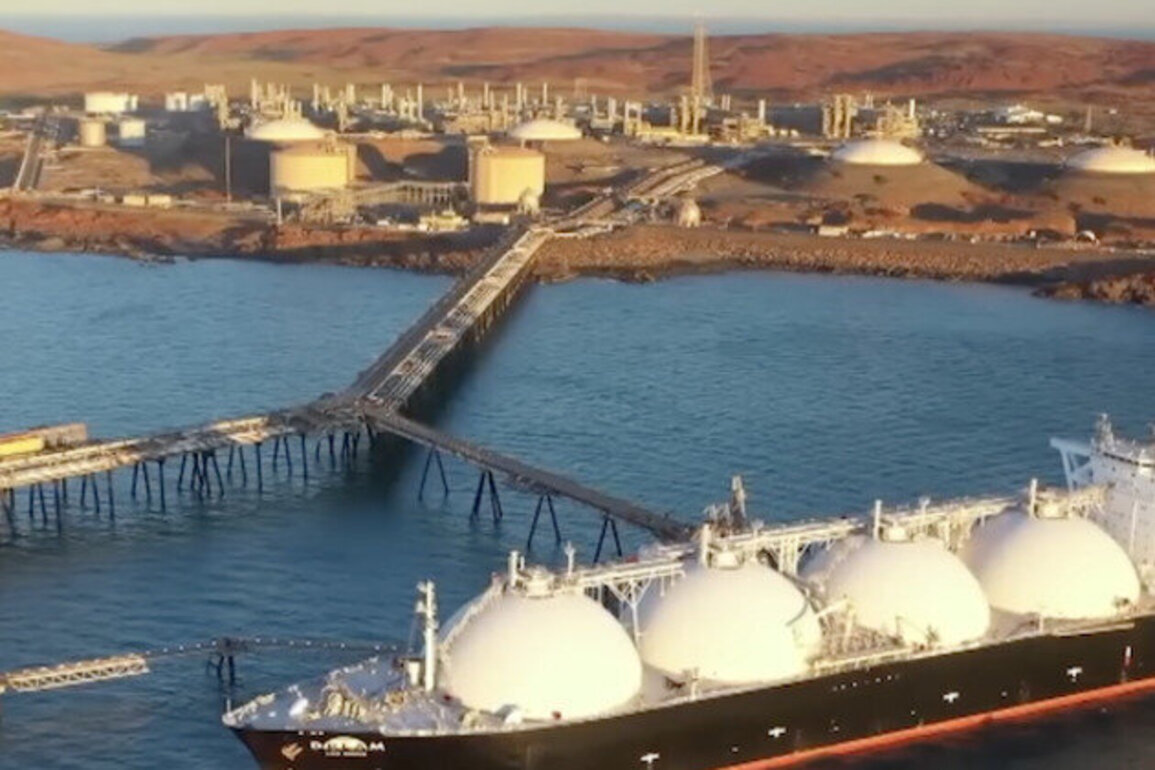
The context provided by Giles Parkinson,writingin Renew Economy, is a good starting point. But furthermore, the overpaid non-experts in the commercial media would do well to recall that the price of electricity in Australia correlates closely with the export price of gas (in all states, including South Australia, despite the makeup of renewables, with the exception of WA, however, as the situation there is a little different). This is something that often gets overlooked, missed or deliberately ignored. And it shouldnt.
To understand how gas drives electricity prices up,the Institute for Energy Economics and Financial Analysis (IEEFA)explains:
So, the price of gas serves as a key driver of wholesale electricity costs in Australia. The mechanisms behind this are a little complex, but there are good explainers online (heres a detailedonefrom the RBA website), that illustrate how the national electricity market works, and the AEMO, and the related, poor policy decisions of the past that have led to us paying through the nose ("export price parity") to a few multinational, foreign-owned companies for our own gas, and hence, for electricity.
Thisarticlefrom the ABC, published December of last year, gives a bit of the policy history. (Andhereis Martin Ferguson joining gas lobby group APPEA in 2013, within 6 months of finishing up as federal resources minister, having helped scuttle any form of domestic gas reservation at the behest of the gas lobby).
Letting global gas markets effectively determine the price we pay for electricity was a policy choice, theresultof political capture and the complicity of Australias commercial media (whove uncritically published and promoted gas industry-sponsored articles, press releases and the claims of gas industry PR reps over the years). We know gas companies are some of the biggest donors to both major parties collectively, they donate hundredsof thousands of dollars per election cycle.
And thats just power generation, not touching on the issues of the retailers and networkowners.
So while the commercial press has been spreading disinformation and distracting the general public with inane debates around whether windmills are "woke"or not, and a bunch of louts and yobbos in Parliament think fighting against solar panels and wind turbines is the greatest cultural and moral crusade of their lives, it appears weve all been price gouged for over a decade now by a gas cartel that invests ("donates") huge sums in the major parties, and gets rewarded with a fantastic return on investment, in having the interests of the entire Australian economy made subservient to the interests of a handful of (largely foreign-owned) multinational gas companies, supplying Asia ahead of Australia.
Australia facing looming power shortage crisis in 2027Strategies are urgently needed to prevent an impending power shortage crisis, including ramping up reliance on renewable energy.
Apart from higher energy bills for consumers, expensive energy has, as we all know, huge ramifications for the economy, not least our ability to advance our domestic manufacturing and refining and processing capacity, which is becoming increasingly crucial, and which, in turn, has implications for our national security and even sovereignty. Not that Woodside, Shell or Chevron would care much about that.
It pays to be relentlessly curious, sceptical, and inquisitive, and to never rely on the commercial media, which, as we know now from long experience, simply cant be trusted to prioritise the public interest over the private when it really matters.
David McIlveenstudied science and environmental engineering at the University of Queensland and now works as an environmental consultant in Brisbane.
Presidents and prime ministers chatExclusive transcripts of two high powered conversations between U.S. and Australian leaders.